
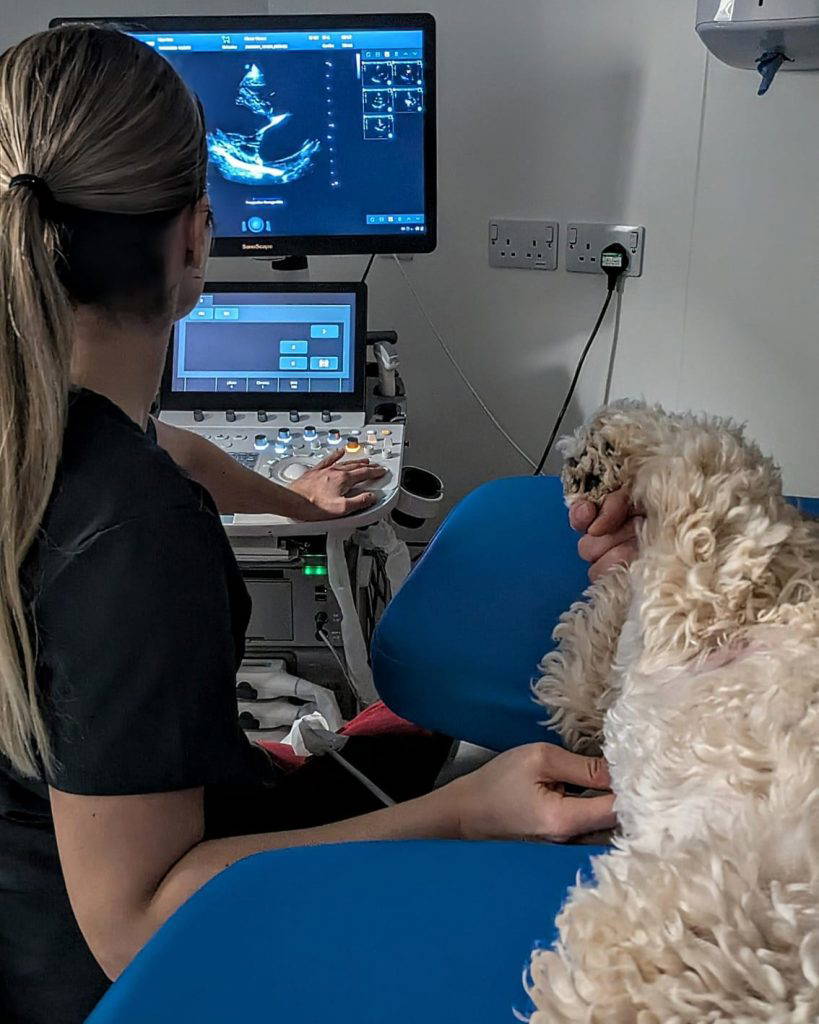
If your pet has unexplained pain, sickness, weight loss, lameness or unusual symptoms, your vet may recommend diagnostic imaging. Pet ultrasound in Chelmsford can help vets look inside the body without surgery, giving clearer information about organs, soft tissues, fluid build-up, pregnancy, lumps or internal changes.
X-rays and ultrasound do different jobs. X-rays are especially useful for bones, joints, the chest and some abdominal concerns. Ultrasound is often used to assess soft tissues, organs and heart function. Together, they can help move your pet’s care from “wait and see” to a more informed diagnosis.
When Imaging Gives Your Vet A Clearer Answer
A physical examination can reveal a lot, but it cannot always show what is happening internally. Imaging helps your vet investigate symptoms that are not obvious from the outside.
Your pet may need imaging if they have:
- Persistent vomiting or diarrhoea
- Unexplained weight loss
- A swollen or painful abdomen
- Difficulty breathing
- A suspected fracture or joint injury
- Lameness or mobility changes
- A heart murmur or suspected heart condition
- A lump or internal swelling
- Ongoing pain with no clear cause
The aim is not to run tests unnecessarily. It is to gather the right information so your vet can make safer, faster decisions.
What Is A Pet Ultrasound?
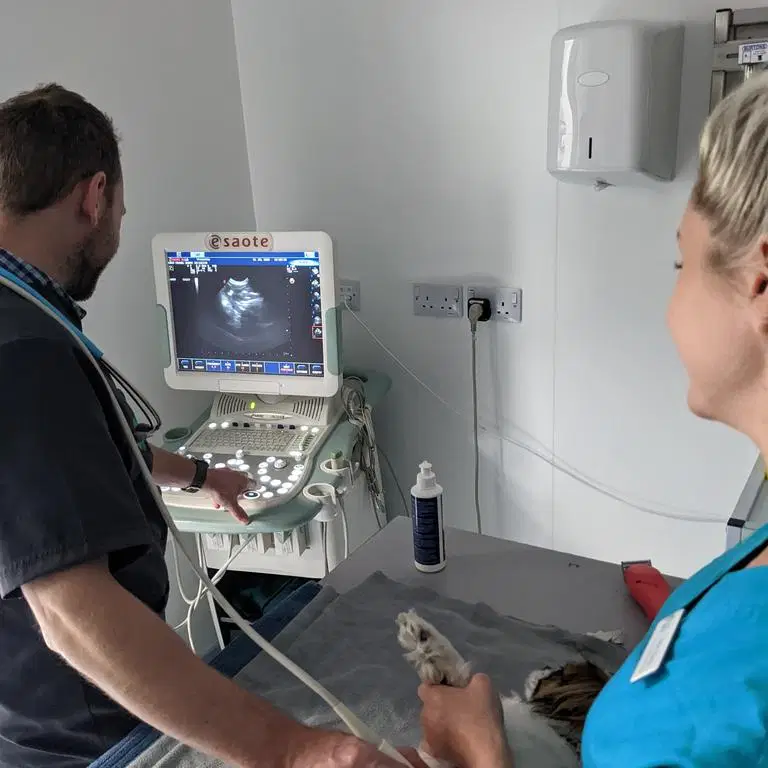
A pet ultrasound uses sound waves to create live images of structures inside the body. It is commonly used to assess soft tissues and organs such as the liver, kidneys, bladder, spleen, intestines and heart.
Ultrasound is widely used in veterinary medicine because it can show movement and internal detail that cannot always be seen on an X-ray. BSAVA imaging resources include radiography and ultrasonography as key parts of abdominal imaging in dogs and cats.
What Can An Abdominal Ultrasound Show?
An abdominal ultrasound for pets may help investigate:
- Organ size or shape changes
- Fluid in the abdomen
- Bladder or urinary concerns
- Pregnancy
- Some masses or internal abnormalities
- Digestive tract changes
- Causes of ongoing sickness or weight loss
It does not replace every other test, but it can provide important clues that guide the next step.
How Are Pet X-Rays Different From Ultrasound?
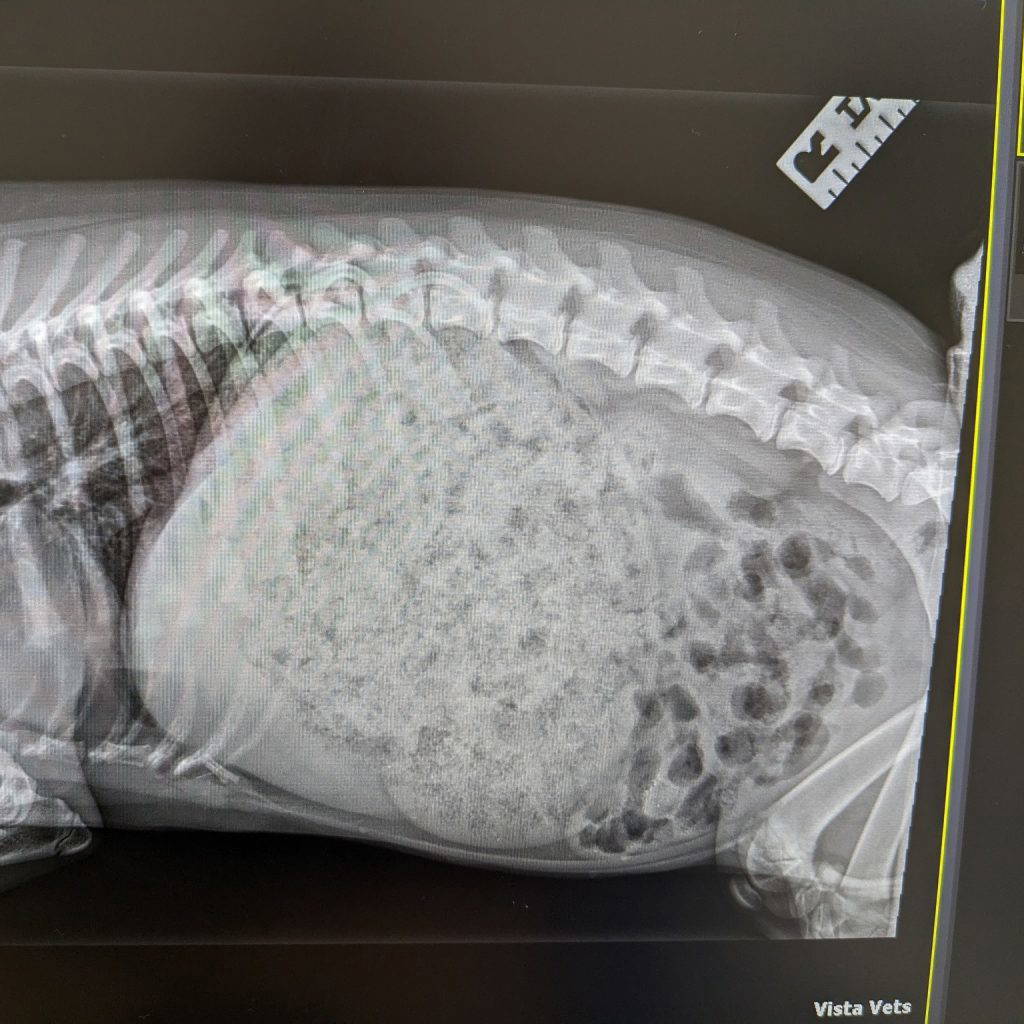
Pet X-rays are often used when vets need to assess bones, joints, the chest or certain abdominal concerns. They are particularly useful for suspected fractures, arthritis, spinal issues, chest changes and some swallowed objects.
The MSD Veterinary Manual explains that radiography is one of the most common veterinary imaging methods and that pets may sometimes be sedated to reduce stress and help them stay still.
X-Rays Are Often Used For:
- Fractures
- Joint problems
- Arthritis
- Chest assessment
- Some abdominal concerns
- Orthopaedic assessments
- Suspected foreign bodies
Ultrasound Is Often Used For:
- Soft tissue assessment
- Organ checks
- Abdominal investigations
- Heart scans
- Pregnancy checks
- Fluid detection
- Some lump investigations
In many cases, X-rays and ultrasound work best together because they answer different clinical questions.
Does My Dog Need A Scan?
Your dog may need a scan if symptoms continue, worsen, or cannot be explained by an examination alone. This might include ongoing sickness, weight loss, abdominal pain, coughing, breathing changes, collapse, lameness or reduced energy.
A scan may also be recommended if blood tests suggest an internal issue, or if your vet needs more detail before deciding on treatment.
The key question is not simply “does my dog need a scan?” but “will imaging help us make a better decision?” If the answer is yes, ultrasound or X-rays may prevent delays and reduce uncertainty.
What Happens During A Pet Ultrasound?
A pet ultrasound is usually calm and structured. Your pet may need a small area of fur clipped so the probe can make clear contact with the skin. Gel is applied to help the image appear clearly on the screen.
Depending on the reason for the scan, your vet may recommend light sedation. This is not always needed, but it can help pets stay still and reduce stress.
During the scan, the vet looks at the relevant internal structures and uses the findings alongside your pet’s symptoms, examination and any other test results.
What About Dog Heart Scans?
A dog heart scan in Chelmsford may be recommended if your vet detects a murmur, irregular heartbeat, coughing, breathing changes, fainting, exercise intolerance or other signs that could relate to heart function.
A heart ultrasound, also known as an echocardiogram, allows the vet to assess the heart’s structure and movement. This can help guide monitoring, medication decisions or further investigation.
Owners should be aware that pets may need to be positioned carefully and kept calm during a heart scan. The veterinary team will explain what is needed for your pet’s individual case.
Why In-House Veterinary Diagnostics Can Help
In-house veterinary diagnostics can make the investigation process smoother. When imaging is available at the practice, your pet may be assessed more quickly, and the results can be considered alongside the consultation, examination and other tests.
This can help with:
- Faster clinical decision-making
- Reduced need for external appointments in some cases
- Clearer treatment planning
- Better monitoring of ongoing conditions
- More informed conversations with owners
For pet owners, the main benefit is clarity. Instead of guessing why symptoms are happening, imaging can help identify what is going on and what should happen next.
How Long Do X-Ray Or Ultrasound Results Take?
In many routine cases, your vet can discuss initial imaging findings after the scan or X-ray has been reviewed. However, timing can vary depending on the complexity of the case, whether sedation is used, and whether specialist interpretation is needed.
Some cases need further testing before a clear diagnosis can be made. Imaging is powerful, but it is one part of the clinical picture.
Common Misunderstandings About Pet Imaging
“If My Pet Looks Fine, They Do Not Need Imaging”
Some pets hide discomfort well. Imaging may be recommended when symptoms are subtle but persistent, or when examination findings suggest something internal may be happening.
“An X-Ray And Ultrasound Show The Same Thing”
They do not. X-rays are excellent for bones and some chest or abdominal assessments. Ultrasound is better for many soft tissue and organ concerns.
“A Scan Always Gives A Final Diagnosis”
Not always. A scan can provide vital information, but your vet may also need blood tests, urine tests, samples or follow-up imaging.
“Diagnostic Imaging Is Only For Emergencies”
Imaging is useful in urgent cases, but it is also valuable for chronic symptoms, mobility problems, heart monitoring and ongoing health investigations.
FAQs About Pet Ultrasound And X-Rays
Is Pet Ultrasound Painful?
Ultrasound itself is not usually painful. Some pets may feel mild pressure from the probe, and sedation may be advised if they are uncomfortable, anxious or need to stay very still.
Will My Pet Need Sedation For An X-Ray?
Some pets need sedation for X-rays, especially if they are painful, anxious or need careful positioning. Your vet will advise based on your pet’s condition.
Can Ultrasound Detect Cancer In Pets?
Ultrasound can identify some abnormal changes, lumps or organ concerns, but it cannot always confirm cancer on its own. Samples or further tests may be needed.
Is Ultrasound Safe For Cats And Dogs?
Ultrasound is a commonly used, non-invasive imaging tool in veterinary medicine. It does not use X-ray radiation.
When Should I Contact A Vet About Imaging?
Contact a vet if your pet has ongoing sickness, unexplained weight loss, pain, lameness, breathing changes, collapse, abdominal swelling or symptoms that keep returning.
Concerned Your Pet May Need Diagnostic Imaging?
If your pet’s symptoms are not improving, or you feel something is not right, a veterinary consultation is the best place to start. Your vet can examine your pet, explain whether imaging is appropriate, and talk you through the next steps clearly.
You can arrange an appointment with Vista Vets here: book a veterinary consultation in Chelmsford.