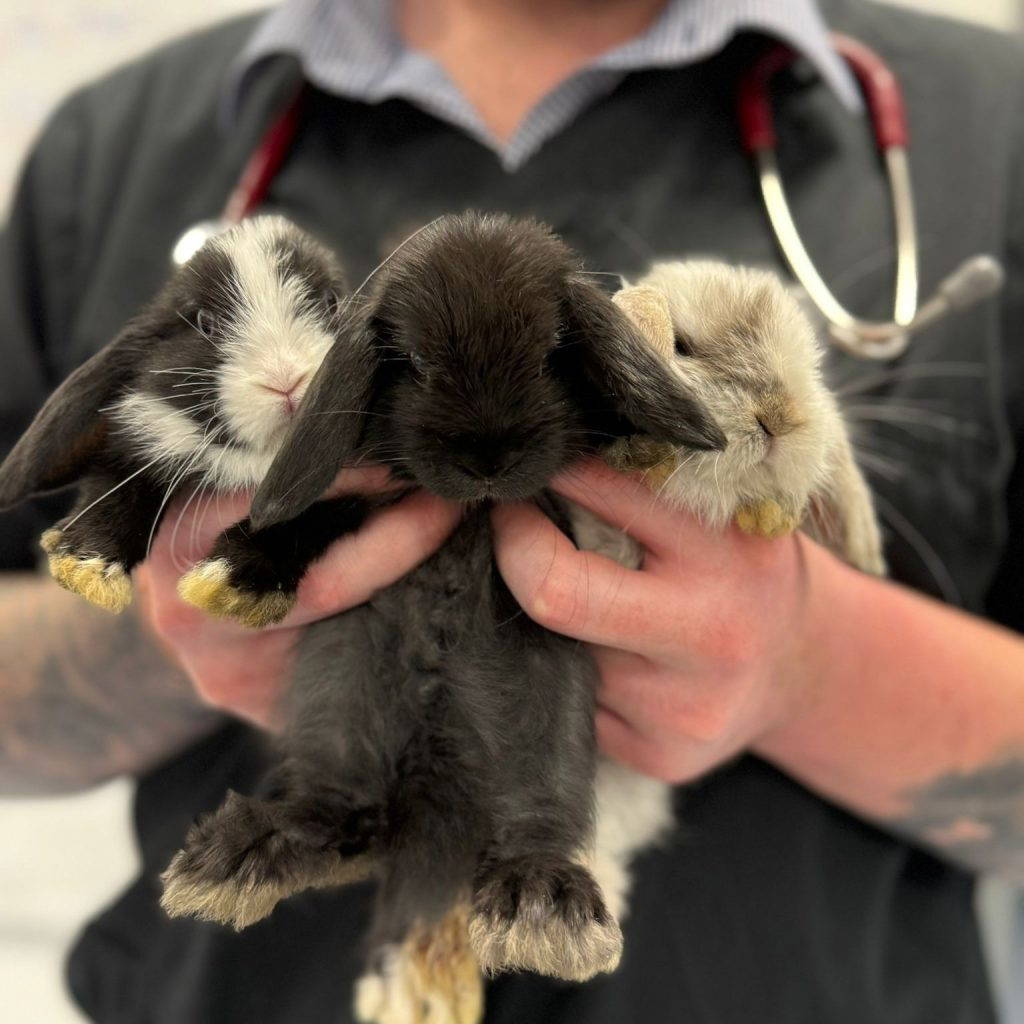
Rabbits and guinea pigs need veterinary care that understands how different they are from dogs and cats. If you are looking for a rabbit vet in Chelmsford, it is usually because you have noticed a change in appetite, droppings, weight, teeth, movement or behaviour.
Small pets often hide illness until a problem has progressed. That makes early advice especially important. A rabbit that stops eating, a guinea pig losing weight, or a small pet acting unusually quiet or withdrawn should not be watched for too long at home.
When Should Small Furry Pets See A Vet?
Rabbits, guinea pigs and small pets should see a vet if they stop eating, lose weight, have fewer droppings, show signs of dental pain, become quieter than usual, move differently, or show sudden behaviour changes.
These signs can point to dental disease, digestive problems, pain, infection or other health concerns. With small pets, early checks are often safer than waiting to see if things improve.
Why Rabbits And Small Furries Need Different Care
Small furry pets have species-specific needs. Their diet, teeth, digestion, handling, stress levels and medication safety can be very different from cats and dogs.
For example, rabbits and guinea pigs have teeth that continue to grow, so diet and dental monitoring are central to their health. The RSPCA advises that rabbits need daily eating and normal droppings monitored closely, and only medicines recommended by a vet should be used.
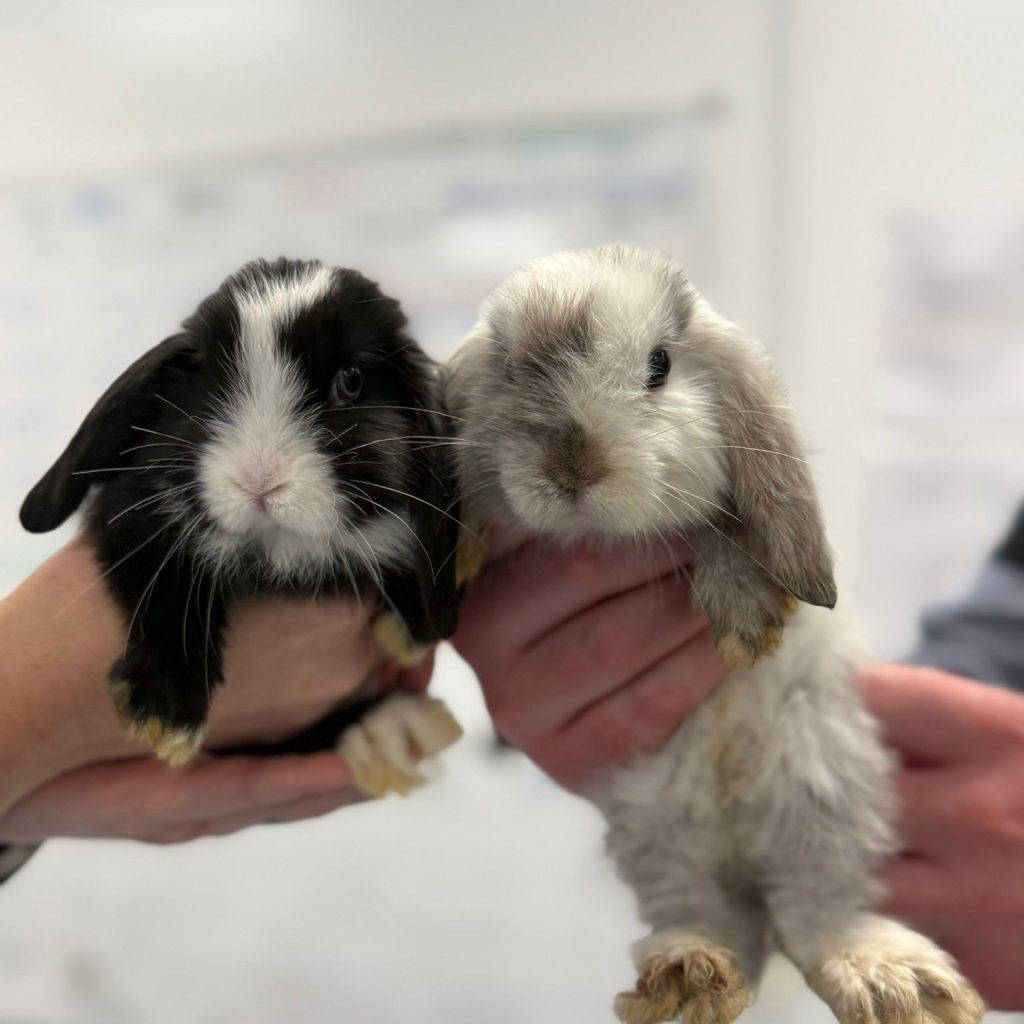
Signs Your Rabbit May Need Dental Care
Rabbit dental problems are common and can become serious quickly. The Rabbit Welfare Association & Fund warns that suspected dental problems should not be left to resolve on their own.
Common Signs Of Rabbit Dental Problems
Watch for:
- Eating less hay or avoiding hard foods
- Drooling or a wet chin
- Weight loss
- Dropping food
- Swelling around the face or jaw
- Smaller or fewer droppings
- A quieter or withdrawn personality
Dental overgrowth can affect eating, digestion and comfort. A dental assessment can help identify whether the teeth, jaw or mouth are causing pain.
Guinea Pig Health Problems Owners Often Miss
Guinea pigs can be very good at masking illness. A small change in routine can be an early warning sign.
Signs To Watch For In Guinea Pigs
Seek advice if you notice:
- Reduced eating
- Weight loss
- Sitting hunched or still
- Changes in droppings
- Noisy breathing
- Drooling
- Overgrown nails or sore feet
- Reluctance to move
Regular weight checks at home can be useful because weight loss is often one of the first signs that something is wrong.
Preventative Care Matters For Small Pets Too
Preventative healthcare is not just for dogs and cats. Rabbits and guinea pigs can all benefit from routine checks, especially because many early problems are easy to miss at home.
For rabbits, vaccinations are an important part of preventative care. The RSPCA states that rabbits need vaccinations to help protect them from serious diseases.
Routine checks may include:
- Teeth and mouth assessment
- Weight monitoring
- Skin and coat checks
- Nail checks
- Diet advice
- Mobility assessment
- Parasite advice where relevant
- Vaccination guidance for rabbits
Vista Vets’ preventative approach can also be supported through the Vista Pet Healthcare Club, where suitable for your pet’s needs.
What Happens During A Small Pet Vet Appointment?
A vet appointment for a rabbit or guinea pig will usually begin with questions about eating, drinking, droppings, behaviour and recent changes. These details are often just as important as the physical examination.
Your vet may then check:
- Teeth and mouth
- Weight and body condition
- Heart and breathing
- Abdomen
- Skin and coat
- Eyes and ears
- Movement and posture
Where needed, diagnostic tests or imaging may be recommended to understand what is happening internally.
Common Mistakes Small Pet Owners Should Avoid
Many small pet health problems worsen because early signs look minor.
Try to avoid:
- Waiting several days when a rabbit stops eating
- Assuming weight loss is normal ageing
- Using dog or cat medication without vet advice
- Treating dental symptoms with diet changes alone
- Missing annual health checks
- Ignoring changes in droppings or toileting
Small pets need prompt, appropriate care because their health can change quickly.
FAQs About Rabbit And Small Furry Pet Care
Do Rabbits Need Regular Vet Checks?
Yes. Rabbits benefit from regular health checks because dental disease, weight changes and digestive problems can develop before obvious symptoms appear.
Is It An Emergency If My Rabbit Stops Eating?
A rabbit that stops eating should be treated as urgent. Reduced appetite can quickly affect gut function and may indicate pain or illness.
Do Guinea Pigs Need Dental Checks?
Yes. Guinea pigs can develop dental issues that affect eating, weight and comfort. Weight loss, drooling or selective eating should be checked.
Can Small Pets Be Seen At A General Vet Practice?
Many small pet health concerns can begin with a general veterinary consultation. If additional support is needed, your vet can advise on the most appropriate next step.
Do Rabbits Need Vaccinations?
Yes. Rabbit vaccinations help protect against serious infectious diseases and should be discussed with your vet.
Need Advice For A Rabbit or Guinea Pig In Chelmsford?
If your small pet is eating less, losing weight, showing dental symptoms or behaving differently, it is worth arranging a check before the problem progresses.
You can book a local veterinary appointment with Vista Vets here: book a vet appointment in Chelmsford.