Finding a new lump while stroking, bathing or grooming your dog can be worrying. Many dog skin lumps are harmless, such as fatty lipomas or cysts, but some need prompt veterinary investigation.
The safest approach is simple: any new lump, changing lump, bleeding lump or painful lump should be checked by a vet. A quick appointment can often help identify whether the lump can be monitored or whether further testing, such as Fine Needle Aspiration, biopsy or pet tumour removal, may be needed. PDSA also advises contacting your vet whenever you find a new lump, even if it appears harmless.
What Should You Do When You Find A New Lump?
Do not panic, but do not ignore it.
Start by making a note of:
- where the lump is
- when you first noticed it
- whether it has grown
- whether it feels soft, firm or fixed
- whether your pet seems sore, itchy or bothered by it
- whether it bleeds, scabs or changes colour
Taking a clear photo and measuring the lump can help your vet assess changes over time.
When To Worry About A Lump On Your Dog
Book a vet appointment if the lump:
- appears suddenly
- grows quickly
- changes shape, colour or texture
- bleeds, weeps or becomes ulcerated
- feels firm, fixed or irregular
- seems painful or itchy
- is in the mouth, around the eye, on a toe or near the anus
- returns after previous removal
- is accompanied by weight loss, tiredness or reduced appetite
Even soft, moveable lumps should not be assumed to be harmless. Some mast cell tumours can look very similar to benign lumps, which is why testing is often recommended.
Common Types Of Lumps Found During Grooming
Lipomas
Lipomas are fatty lumps, often found in middle-aged and older dogs. They are usually soft and moveable under the skin, but they should still be checked, especially if they are growing or affecting movement.
Cysts
Cysts can feel like small rounded lumps and may sometimes rupture or discharge. They are often benign, but infected or irritated cysts may need treatment.
Warts And Skin Tags
These are often harmless, particularly in older dogs, but they can become irritated if they are caught during grooming or rubbing against collars and harnesses.
Abscesses
Abscesses are usually painful, swollen areas caused by infection. They may appear suddenly and can need drainage, pain relief or antibiotics.
Mast Cell Tumours
Mast cell tumours are one of the most important reasons not to guess. They can vary in appearance and may look like less concerning lumps. VCA notes that mast cell tumours are a common malignant skin tumour in dogs, and diagnosis often involves examining cells collected from the lump.
What Is Fine Needle Aspiration?
Fine Needle Aspiration, often shortened to FNA, is a simple test used to collect cells from a lump.
A vet places a very fine needle into the lump, collects a small sample of cells and examines them under a microscope or sends them to a laboratory. In many cases, this can be done during a consultation without surgery.
FNA can help identify whether a lump is likely to be fatty, inflammatory, infected or suspicious. AAHA’s oncology guidance notes that fine-needle sampling can often provide a diagnosis for benign lesions such as lipomas and some tumour types, including mast cell tumours.
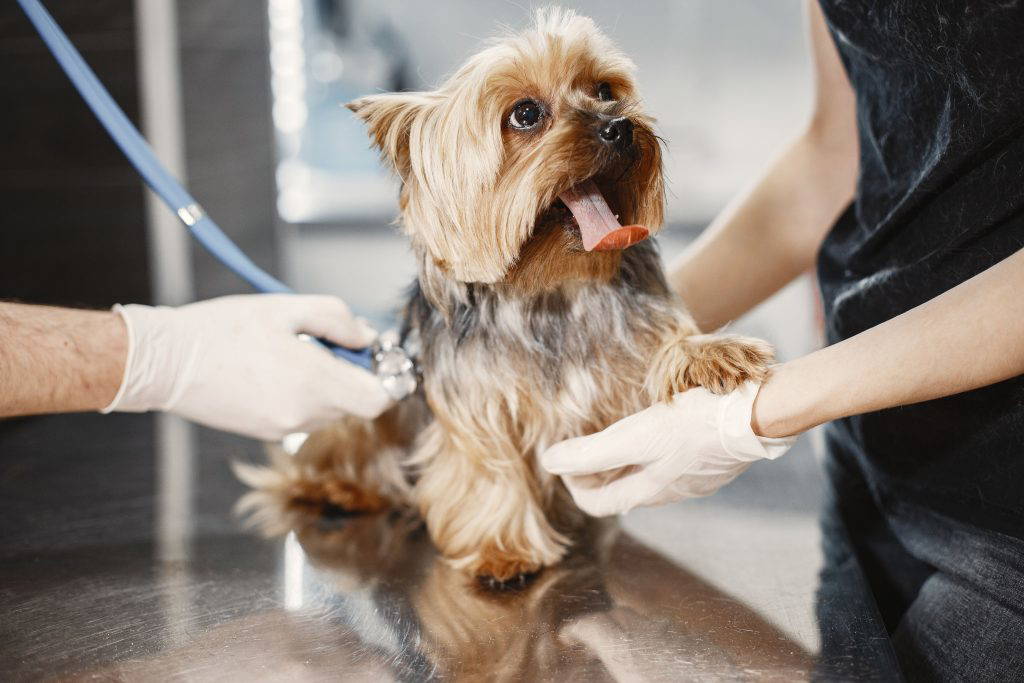
FNA, Biopsy Or Removal: What Is The Difference?
Fine Needle Aspiration
FNA is usually the first step. It is quick, minimally invasive and useful for deciding what should happen next.
Biopsy
A biopsy involves taking a larger tissue sample. This may be recommended if FNA results are unclear or if the vet needs more detail before planning treatment.
Tumour Removal
Pet tumour removal may be advised if the lump is suspicious, uncomfortable, growing, bleeding or confirmed as a tumour. The approach depends on the type of lump, its position and whether further testing is needed before surgery.
What About Vet Biopsy Cost?
Vet biopsy cost can vary depending on the size and position of the lump, whether sedation or anaesthetic is needed, whether laboratory testing is required and whether removal is carried out at the same time.
The most useful first step is an investigatory appointment. Your vet can examine the lump, explain the options and provide a clear estimate before any further treatment is agreed.
Why Early Detection Matters
Early checks give your pet the best chance of straightforward treatment.
A small lump may be easier to sample, monitor or remove than one that has been left to grow. Early investigation can also help distinguish between harmless lipomas and lumps that need faster treatment, such as mast cell tumours.
Frequently Asked Questions
Can I Tell If A Lump Is Cancer Just By Looking?
No. Some harmless lumps and more serious lumps can look very similar. A vet examination, FNA or biopsy is often needed.
Should I Wait To See If The Lump Goes Away?
It is better to book a check, especially if the lump is new, growing, bleeding, painful or changing. Monitoring is safest when your vet has already assessed it.
Are Lipomas Dangerous?
Most lipomas are benign fatty lumps, but they can grow large or affect movement. They should still be checked rather than assumed.
Does FNA Hurt My Dog?
FNA is usually quick and involves a fine needle. Some pets may notice it briefly, but it is generally well tolerated.
When Might A Lump Need Removing?
Removal may be recommended if the lump is suspicious, confirmed as a tumour, growing, irritated, bleeding or affecting comfort.
Concerned About A Lump Or Bum
If you have found a new growth on your pet, booking an investigatory appointment is the safest next step. Vista Vets can assess dog skin lumps, discuss FNA or biopsy where appropriate, and advise whether monitoring or pet tumour removal in Chelmsford may be needed.