If your dog seems to be gaining weight despite regular walks, or your cat has become less active and harder to feel around the ribs, you’re not alone. Pet obesity has become one of the most common health concerns seen by veterinary professionals.
The good news is that successful weight management does not always require drastic changes. In many cases, portion control, healthier treat choices and regular weight monitoring can make a significant difference over time.
Whether you’re looking for overweight dog help or advice on cat obesity prevention, understanding how much your pet is actually eating is often the best place to start.
The Quick Answer: What Is The Most Effective Way To Help An Overweight Pet?
The most effective way to help an overweight pet is to control calorie intake while maintaining proper nutrition.
This usually involves:
- Measuring meals accurately
- Reducing unnecessary treats
- Avoiding high-calorie human foods
- Monitoring weight regularly
- Adjusting feeding plans as needed
- Combining diet changes with appropriate exercise
Many owners are surprised to discover that a few extra treats each day can have a significant impact over months and years.
Why Pet Obesity Is More Serious Than Many Owners Realise
A little extra weight can be easy to overlook, especially when it develops gradually.
However, carrying excess weight can place additional strain on your pet’s body and may contribute to:
- Joint and mobility issues
- Reduced exercise tolerance
- Increased pressure on the heart and lungs
- Diabetes in some pets
- Reduced quality of life
- Difficulties during surgery and anaesthesia
Perhaps most importantly, maintaining a healthy weight helps support long-term wellbeing throughout your pet’s life.
How To Tell If Your Pet Is Overweight
Many owners only notice weight gain once it becomes significant.
A simple check at home can help.
You should be able to:
- Feel your pet’s ribs without pressing hard
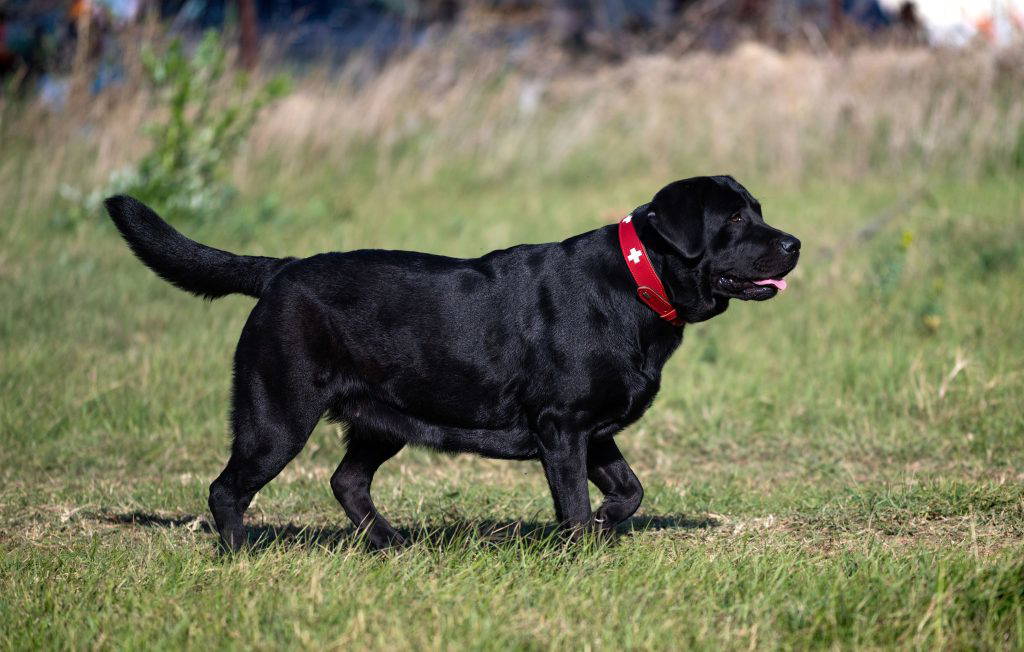
- See a visible waist when viewed from above
- Notice a tummy tuck when viewed from the side
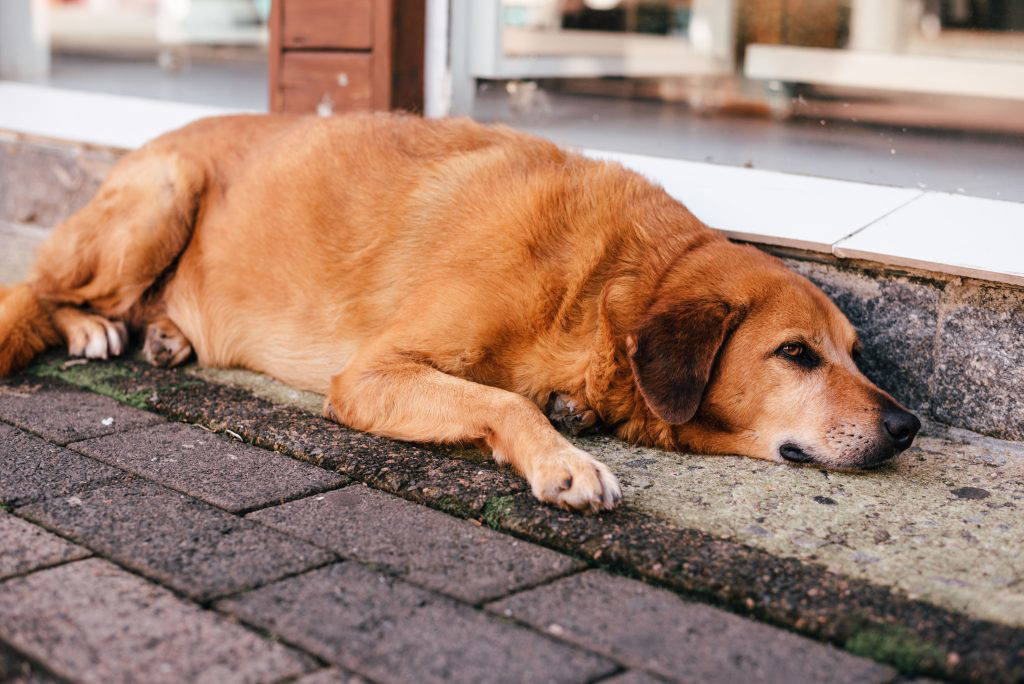
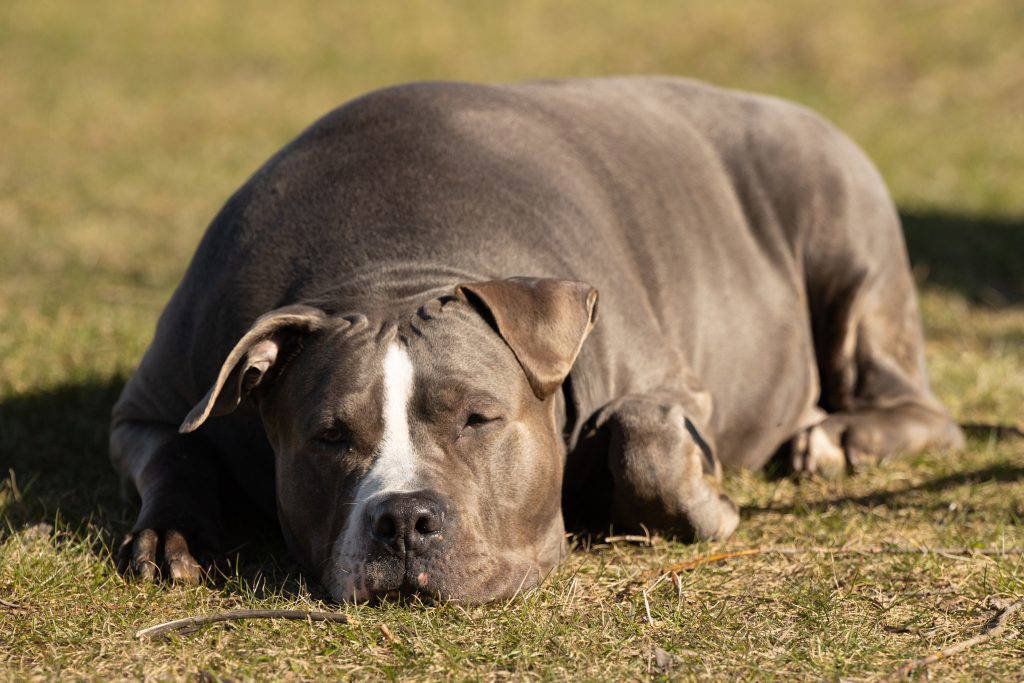
If the ribs are difficult to feel or your pet appears rounded rather than defined, it may be worth arranging a weight assessment.
The Hidden Calories That Catch Owners Out
One of the biggest challenges with pet weight management is that calories often come from unexpected places.
Treats Throughout The Day
A biscuit here and a chew there may seem harmless, but multiple treats quickly add up.
This is especially common in multi-person households where family members may not realise how many extras have already been given.
Table Scraps
Many human foods contain more fat, sugar or calories than owners realise.
Regular sharing from the dinner table can significantly increase daily calorie intake.
Estimating Portions By Eye
Using a scoop or filling a bowl without measuring can easily lead to overfeeding.
Even small overestimations repeated every day can contribute to gradual weight gain.
Simple Human Food Swaps For Pets
Many owners enjoy giving their pets occasional treats, and that does not necessarily need to stop.
The key is making better choices.
Some lower-calorie alternatives may include:
- Small pieces of carrot
- Cucumber slices
- Green beans
- Tiny portions of cooked lean chicken
- Small pieces of apple with seeds removed
Foods to avoid include:
- Chocolate
- Grapes and raisins
- Onions
- Garlic
- Foods containing xylitol
- Fatty leftovers
If you are unsure whether a food is safe, it is always best to check with your veterinary team first.
Why Measuring Food Matters More Than You Think
Many pet owners underestimate portion sizes.
A difference of just a few grams at each meal may not seem significant, but over weeks and months it can make a noticeable impact on body weight.
Using kitchen scales rather than estimating portions can help ensure consistency.
This is particularly important if your pet is already overweight or following a weight management plan.
Weight Loss Should Be Gradual
One common mistake is trying to reduce weight too quickly.
Rapid weight loss is not ideal and can create additional health concerns, particularly in cats.
A gradual, carefully monitored approach is generally safer and more sustainable.
Regular weigh-ins allow adjustments to be made based on progress rather than guesswork.
How Regular Weight Monitoring Helps
Many owners find it difficult to judge changes simply by looking at their pet every day.
Regular weight checks provide a clearer picture.
Monitoring helps:
- Track progress accurately
- Identify weight gain early
- Adjust feeding plans when needed
- Maintain healthy weight long term
- Support preventative healthcare
For Vista Pet Club members, weight monitoring forms part of the wider focus on preventative healthcare, helping owners stay on top of their pet’s wellbeing throughout the year.
Common Weight Loss Mistakes Owners Make
Cutting Food Without Professional Guidance
Reducing food dramatically can lead to nutritional imbalances.
Ignoring Treat Calories
Treats count towards daily calorie intake just as much as meals.
Assuming Exercise Alone Will Solve The Problem
Exercise is important, but calorie intake often plays the biggest role in weight management.
Not Monitoring Progress
Without regular checks, it can be difficult to know whether changes are working.
Frequently Asked Questions
How Much Weight Should My Dog Lose Per Month?
This varies depending on breed, age, size and overall health. A veterinary professional can provide guidance tailored to your pet.
Can Indoor Cats Become Overweight?
Yes. Indoor cats may have fewer opportunities for activity, making portion control especially important.
Are Weight Management Diets Necessary?
Not always. Some pets respond well to portion adjustments and lifestyle changes, while others may benefit from a specially formulated diet.
Can Treats Still Be Given During Weight Loss?
Yes, but they should be accounted for within your pet’s daily calorie allowance.
How Often Should My Pet Be Weighed?
Regular monitoring is helpful, especially when actively managing weight. Your veterinary team can advise on an appropriate schedule.
Taking The First Step Towards A Healthier Weight
If you’re concerned about your pet’s weight, the most important thing is not to wait until the problem becomes more difficult to manage.
A simple weight assessment can help determine whether your pet is carrying excess weight and provide guidance on appropriate next steps. Regular monitoring, realistic goals and small changes to feeding habits can make a meaningful difference over time.
To learn more about preventative healthcare and ongoing wellbeing support, visit the Vista Pet Club page.