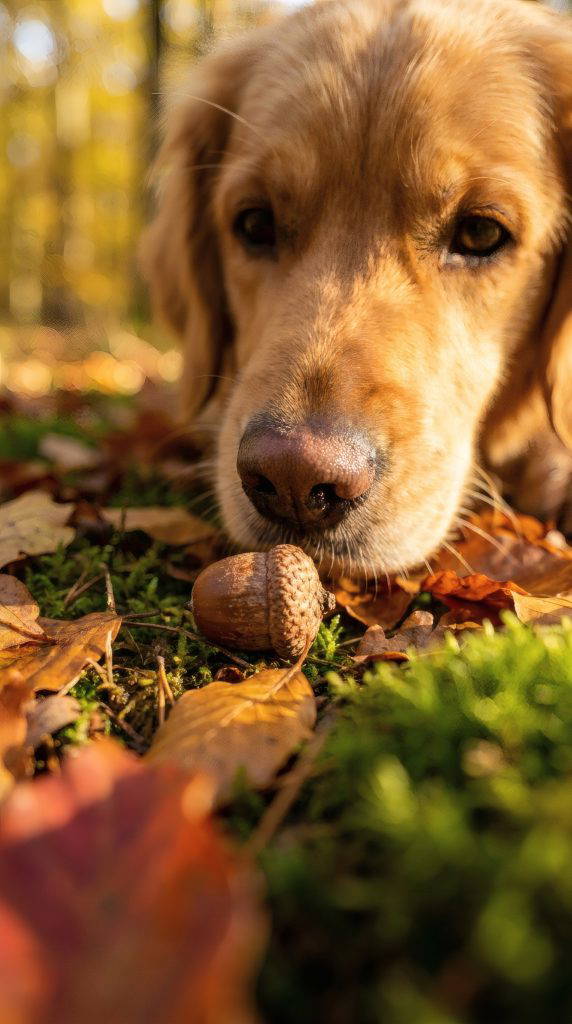
Autumn walks bring fallen leaves, cooler weather and plenty for curious dogs to investigate. Unfortunately, some of the things found on the ground at this time of year can also make them ill.
Three autumn dangers for dogs worth knowing about are acorns, conkers and wild mushrooms. Acorns and conkers can cause poisoning as well as digestive blockages if swallowed, while some wild mushrooms contain toxins capable of causing serious illness.
If you think your dog has eaten something potentially poisonous, don’t wait for symptoms to appear. Contact your vet for advice as soon as possible and, unless a vet specifically tells you otherwise, don’t attempt to make your dog sick.
Which Autumn Hazards Should Dog Owners Watch Out For?
For most dogs, an autumn walk will pass without incident. The greater risk is with dogs that like to pick things up, chew whatever they find or forage through leaves and undergrowth.
The three hazards covered in this guide are easy to encounter:
- Acorns fall from oak trees during autumn.
- Conkers fall from horse chestnut trees and can be tempting objects for dogs to pick up or play with.
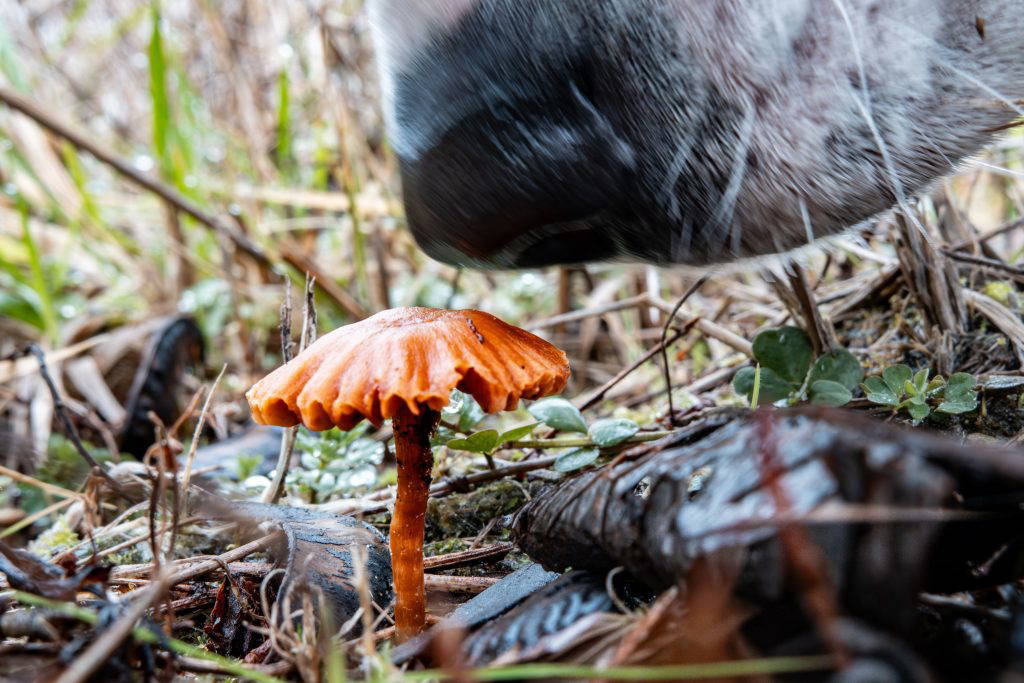
- Wild mushrooms and fungi often appear in damp grass, woodland and gardens, particularly during autumn.
The safest approach is prevention. If you’re not certain something is safe for your dog to eat, don’t allow them to investigate it with their mouth.
Are Acorns Toxic for Dogs?
Yes. Acorns are poisonous to dogs if eaten, and they can cause more than one type of problem.
Acorns contain compounds that can cause gastrointestinal illness. Their hard shape can also create a physical problem if swallowed, including irritation or a blockage in the digestive tract. Blue Cross advises contacting your vet straight away if you think your dog has eaten an acorn.
What Are the Signs a Dog Has Eaten Acorns?
Possible signs can include:
- vomiting
- diarrhoea
- abdominal discomfort
- reduced appetite
- lethargy
The severity can depend on factors such as how much has been eaten and the individual dog. A swallowed acorn can also become a foreign body, so symptoms aren't limited to poisoning.
Don't assume that your dog is safe simply because they seem normal immediately afterwards. Some effects of harmful substances can take time to develop.
What Should You Do if Your Dog Eats an Acorn?
Remove any remaining acorns your dog can access and contact your vet.
Try to work out approximately how many may have been eaten and when it happened. If possible, tell your vet whether the acorn was swallowed whole or chewed.
Do not try home remedies or attempt to make your dog vomit unless your vet specifically instructs you to do so.
Are Conkers Poisonous to Dogs?
Yes. Conkers are poisonous to dogs and can also cause choking or a blockage if swallowed.
Conkers contain a toxin called aesculin, which is found in the horse chestnut tree. Dogs that chew or eat conkers can develop gastrointestinal symptoms and, in more serious cases, neurological signs such as wobbliness or tremors.
Their size and hard texture create an additional risk. Even without significant poisoning, a swallowed conker can potentially lodge in the stomach or intestines.
What Does Conker Poisoning Look Like in Dogs?
Signs reported following conker ingestion can include:
- vomiting
- diarrhoea
- abdominal pain or discomfort
- restlessness
- tiredness
- wobbliness
- tremors
- collapse in more serious cases
Symptoms can develop within hours but may sometimes appear later.
If you know or suspect your dog has eaten a conker, contact your vet rather than waiting to see whether they become unwell.
Can Dogs Safely Play With Conkers?
It's better not to encourage it.
Even if your dog normally carries objects without swallowing them, a conker could accidentally be chewed or swallowed during play. The Kennel Club recommends using a suitable dog toy instead if your dog is particularly interested in conkers.
Teaching cues such as "leave" and "drop" can also be particularly useful for dogs that like picking things up outdoors.
Are Wild Mushrooms Poisonous to Dogs?
Some are, and the difficulty is knowing which ones.
There are many species of wild mushrooms and fungi in the UK. Some may cause gastrointestinal irritation, while others can result in much more serious problems, including abnormal heart rhythms, seizures or organ failure. Identifying mushrooms accurately can be difficult, which is why veterinary organisations advise preventing pets from eating wild fungi altogether.
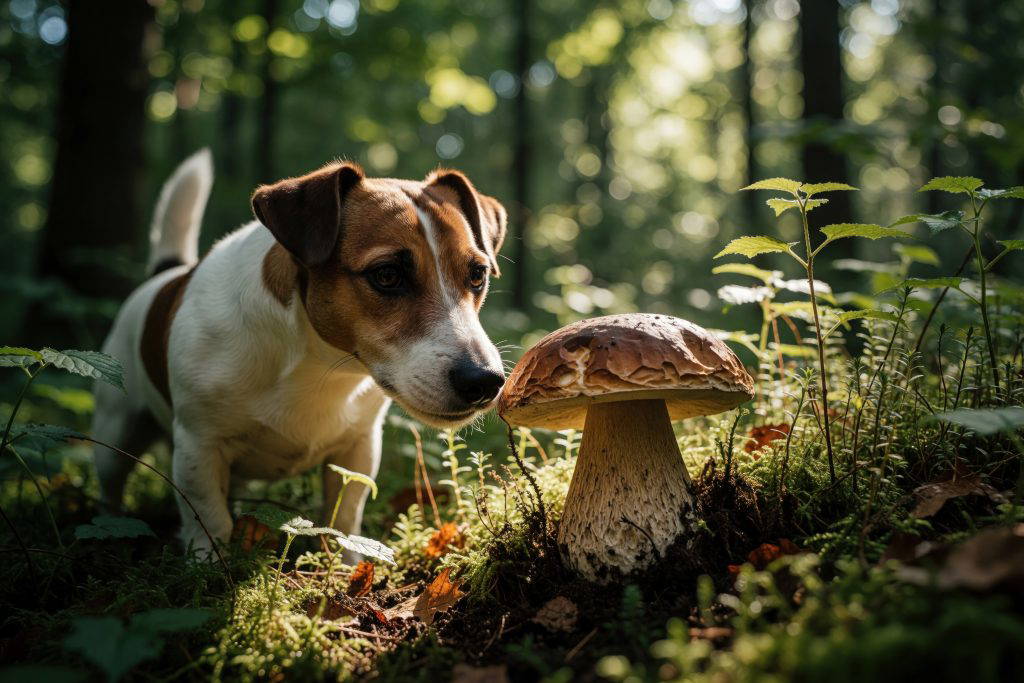
So, if you’re wondering whether the mushroom your dog has found is safe, the sensible answer is: don’t let them eat it.
What Are the Signs of Mushroom Poisoning in Dogs?
Symptoms vary considerably because different mushrooms contain different toxins.
Possible signs include:
- vomiting or diarrhoea
- excessive drooling
- unusual tiredness
- weakness or wobbliness
- changes in behaviour
- tremors or seizures
- collapse
Some poisonous mushrooms can also affect internal organs without immediately producing an obvious outward sign. PDSA notes that certain fungi can lead to serious or fatal problems, including organ failure.
This variability is one reason suspected mushroom ingestion should be taken seriously.
What Should You Do if Your Dog Eats a Wild Mushroom?
Move your dog away from any remaining mushrooms and contact your vet straight away.
If it is safe to do so, taking clear photographs of the mushroom and the area where it was growing may be useful. A sample may also sometimes help, but avoid handling potentially poisonous fungi unnecessarily.
Your vet will want to know:
- what your dog may have eaten
- roughly how much
- when it happened
- whether your dog has developed any symptoms
Don't wait until your dog becomes unwell before seeking advice. Prompt information gives your vet more options when deciding what should happen next.
What Else Can Be Dangerous to Pets During Autumn?
Acorns, conkers and mushrooms aren’t the only seasonal risks.
Autumn gardens and walks can also expose pets to potentially harmful plants, compost and garden chemicals. PDSA lists horse chestnut, oak, mushrooms and fungi among seasonal plant hazards, while Blue Cross also warns that compost and grass clippings can contain harmful moulds or bacteria.
This doesn’t mean your dog needs to avoid outdoor exploration. It simply helps to know what they’re sniffing, chewing or picking up.
Vista Vets also has further guidance on identifying poisonous plants around pets and outdoor chemicals and pest-control risks.
How Can You Stop Your Dog Eating Things on Autumn Walks?
You can’t remove every acorn, conker or mushroom from the places your dog explores, but you can reduce the risk.
Practise a Reliable “Leave” Cue
Teaching your dog to move away from something before picking it up is particularly useful for habitual scavengers.
Practise somewhere calm first using low-value objects, then gradually build up the level of distraction. Reward your dog for turning their attention back to you.
Keep a Closer Eye on Dogs That Forage
Some dogs walk straight past fallen objects. Others inspect everything.
If your dog tends to eat things from the ground, keep them closer to you in wooded areas, beneath mature trees or wherever fungi are growing. Using a lead may be sensible where the ground is covered in tempting objects.
Carry Something More Interesting
A toy or suitable treats can give you a quick way to redirect your dog's attention. This is often more practical than repeatedly trying to remove objects after they've already picked them up.
Check Your Garden Too
Autumn hazards don't only occur on countryside walks.
If you have oak or horse chestnut trees nearby, check the garden regularly for fallen acorns or conkers. Remove wild mushrooms where practical and prevent your dog accessing compost or garden products.
What Should You Do if You Think Your Dog Has Been Poisoned?
If your dog has swallowed a potentially harmful substance, the safest next step is to contact a vet immediately.
You don’t need to wait until obvious signs of poisoning appear. PDSA advises owners to call their vet as soon as possible following suspected exposure because symptoms may develop immediately or take hours or days to become apparent.
While waiting for advice:
- prevent your dog eating any more of the substance
- note what you think they ate
- estimate when and how much they consumed
- photograph the substance if identification may be useful
- follow your vet’s instructions
- don’t make your dog vomit unless specifically instructed
If you are unsure whether your dog needs to attend the practice, registered Vista Vets clients can also use VidiVet 24/7 veterinary advice to ask a UK-registered vet for guidance.
Frequently Asked Questions
Are Acorns Toxic to Dogs if They Eat Just One?
Acorns are considered poisonous to dogs, and they can also cause digestive obstruction because they are hard objects. The effect depends on factors including the amount eaten and the dog’s size, so don’t rely on a particular quantity being safe. Contact your vet if your dog has eaten one.
Is a Conker More Dangerous if My Dog Swallows It Whole?
A whole conker creates an additional risk because it can potentially cause choking or a digestive blockage. Conkers also contain aesculin, which is toxic to dogs. Contact your vet if one has been swallowed.
How Quickly Will a Dog Become Ill After Eating a Conker?
Signs can develop within hours, although Blue Cross notes that symptoms may sometimes appear up to two days after ingestion. Don’t use the absence of immediate symptoms as a reason to delay contacting your vet.
How Can I Tell Whether a Mushroom Is Poisonous to My Dog?
It can be extremely difficult to identify wild mushroom species reliably, and some toxic varieties can cause severe illness. The safest approach is to prevent your dog from eating any wild mushroom or fungi.
Should I Make My Dog Sick if They Have Eaten Something Poisonous?
No, not unless your vet specifically instructs you to. Trying to induce vomiting yourself can cause further problems depending on what your dog has swallowed.
Enjoy Autumn Walks Without Letting Your Dog Eat the Scenery
Most autumn walks won’t end in a veterinary emergency. Being aware of seasonal hazards simply means you can react more quickly when your dog decides something on the ground looks edible.
Keep an eye out for acorns beneath oak trees, conkers around horse chestnuts and wild mushrooms in damp or wooded areas. If your dog does swallow something potentially toxic, remove them from the source and seek veterinary advice rather than waiting for symptoms.
If you’re in Chelmsford and are concerned that your pet has eaten something harmful, you can book an appointment with Vista Vets. In an emergency, Vista Vets advises contacting the practice by phone rather than relying on the online booking form.