Bonfire Night can be a frightening experience for pets. Loud bangs, flashing lights and unfamiliar smells can leave dogs trembling, cats hiding and owners wondering how best to help.
If your dog is scared of fireworks or your cat becomes anxious when celebrations begin, preparing early can make a real difference. Creating a safe space, adjusting your pet’s routine and knowing how to respond to signs of distress can help them feel more secure.
Fireworks anxiety can range from mild nervousness to severe panic. In this guide, we’ll explain how to recognise the warning signs, what you can do before and during fireworks, and when veterinary support may be needed.
How Can You Keep Your Pet Calm During Fireworks?
The best way to help a dog or cat frightened by fireworks is to prepare a quiet, secure space before the noise begins, keep them safely indoors and allow them to choose where they feel comfortable.
Close curtains, play gentle background music or television at a familiar volume, and remain calm yourself. Offer reassurance if your pet seeks attention, but never force them out of hiding.
For pets with severe fireworks anxiety, speak to your vet well before Bonfire Night. Behavioural support and, where appropriate, prescribed medication can help manage their distress.
Why Are Dogs and Cats So Frightened of Fireworks?
Fireworks are particularly unsettling because pets cannot predict when the next explosion will happen or understand where the noise is coming from.
Dogs and cats have more sensitive hearing than humans, making sudden, high-pitched sounds particularly uncomfortable or frightening.
Several factors can contribute to fireworks anxiety:
Unpredictable Noises
Sudden bangs make it difficult for pets to anticipate what will happen next.
Flashing Lights
Bright, unexpected flashes can increase alertness and fear.
Vibrations
Loud explosions may cause vibrations that pets can feel inside the home.
Unfamiliar Smells & Previous Experiences
Smoke and other unusual scents can add to their discomfort.
A frightening experience during an earlier fireworks display may influence how a pet reacts in the future.
Some animals recover quickly after a loud noise. Others remain unsettled for hours, particularly when fireworks continue throughout the evening.
Understanding your pet’s individual response is important because the same approach will not work for every animal.
How to Recognise Fireworks Anxiety in Dogs and Cats
Not every frightened pet reacts in the same way. Some become visibly distressed, while others withdraw or show subtle behavioural changes.
Signs Your Dog Is Scared of Fireworks
A dog frightened by fireworks may display:
- Trembling or shaking
- Excessive panting despite not being hot
- Pacing or restlessness
- Whining, barking or howling
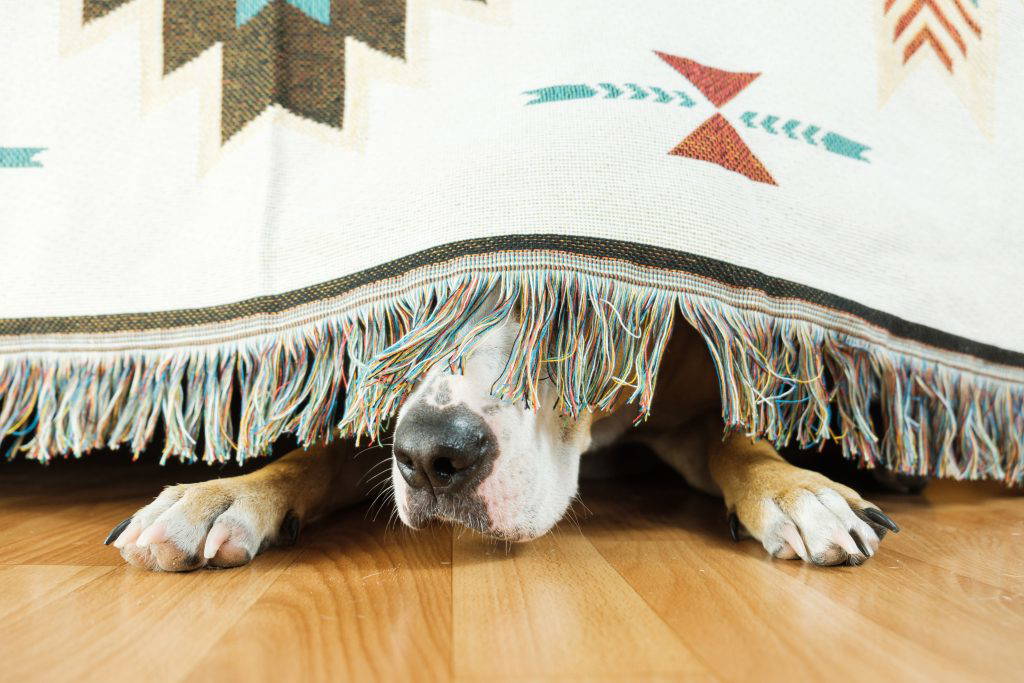
- Hiding behind furniture
- Trying to escape through doors or windows
- Drooling more than usual
- Refusing food or treats
- Seeking constant reassurance from their owner
Some dogs become unusually clingy, while others prefer to be left alone.
If your dog is pacing, panting heavily or repeatedly trying to escape, they may be experiencing significant distress rather than ordinary nervousness.
Signs of Fireworks Anxiety in Cats
Cat fireworks anxiety can be harder to recognise because cats often respond to fear by withdrawing.
Common signs include:
- Hiding under beds or behind furniture
- Remaining unusually still or crouching low
- Flattened ears and dilated pupils
- Refusing food
- Excessive grooming
- Increased vocalisation
- Aggression when approached
- Toileting outside the litter tray
- Attempting to escape
A cat that disappears into a hiding place during fireworks is not necessarily coping comfortably. Hiding may be their way of managing fear.
Give them space and observe their behaviour without repeatedly disturbing them.
Preparing Your Home Before Bonfire Night
The most effective fireworks preparation begins before the first loud bang.
Ideally, start planning several weeks ahead, particularly if your pet has previously struggled with fireworks.
Create a Safe Space Your Pet Can Choose
Choose a quiet area of your home, preferably away from windows and external doors.
For dogs, this might be a familiar bedroom, a covered crate they already enjoy using, or a comfortable corner with their usual bedding.
For cats, provide several hiding options, such as a cardboard box, covered bed or accessible space beneath furniture.
Make the area more comfortable with:
- Familiar blankets or bedding
- Favourite toys
- Easy access to drinking water
- Comfortable room temperature
- Background noise to soften sudden sounds
If your dog already enjoys resting in a crate, it may provide a reassuring environment. However, never suddenly confine a frightened dog in an unfamiliar crate.
Similarly, avoid blocking your cat's preferred hiding places unless they are genuinely unsafe.
The aim is to give your pet control over where they settle.
Gradually Introduce Fireworks Sounds
For some pets, controlled sound training can reduce their sensitivity to fireworks.
This involves playing recordings of fireworks at a very low volume while your pet is relaxed and gradually increasing the volume over multiple sessions.
The important distinction is that your pet should remain comfortable throughout.
If they begin trembling, hiding or showing other signs of distress, the sound is too intense.
Sound training is best started weeks or months before fireworks season, rather than immediately before Bonfire Night.
Pets with established noise phobias may need a structured behaviour modification programme developed with veterinary guidance.
Check Your Pet's Microchip Details
Fireworks can cause frightened animals to run away unexpectedly.
Before Bonfire Night, check that your pet's microchip registration details are accurate, including your current telephone number and address.
Dogs should also wear an appropriate identification tag when outside.
Microchipping is a legal requirement for dogs and cats in England, subject to the relevant age requirements and exemptions.
Keeping registration details updated improves the chances of being reunited with your pet if they escape.
What to Do With Your Dog on Bonfire Night
A few changes to your dog’s normal routine can help reduce their exposure to fireworks.
Walk Your Dog Before Fireworks Begin
Plan your dog's main walk during daylight hours, ideally well before local fireworks displays are expected.
Give them enough opportunity to exercise, explore and go to the toilet without rushing.
Avoid taking your dog out once fireworks are underway, even if they normally seem confident.
An explosion could cause an unexpected panic response.
Keep your dog on a secure lead during walks throughout fireworks season, particularly if displays are taking place nearby.
If your dog needs to go outside later in the evening, use a securely enclosed area, supervise them closely and keep the visit brief. Use a lead if there is any risk of escape.
Keep Curtains Closed and Provide Background Noise
Closing curtains or blinds helps reduce sudden flashes of light.
Television, music or familiar household sounds can help soften the contrast between silence and loud explosions.
Choose a comfortable volume rather than attempting to drown out fireworks completely.
If your dog prefers resting in a particular room, allow them to remain there where it is safe.
Offer Activities Without Forcing Interaction
Some dogs respond well to gentle distractions, including:
- Lick mats
- Food-filled puzzle toys
- Long-lasting chews suitable for their size
- Simple scent games
- Familiar toys
These activities can encourage calm behaviour, but they are not appropriate for every frightened dog.
A dog experiencing severe panic may refuse food entirely.
If that happens, avoid repeatedly encouraging them to eat or play. Focus instead on keeping their surroundings secure and allowing them to settle.
Comfort Your Dog if They Seek Reassurance
One common misconception is that comforting a frightened dog will reinforce their fear.
Fear is an emotional response, not a behaviour that becomes stronger simply because you offer affection.
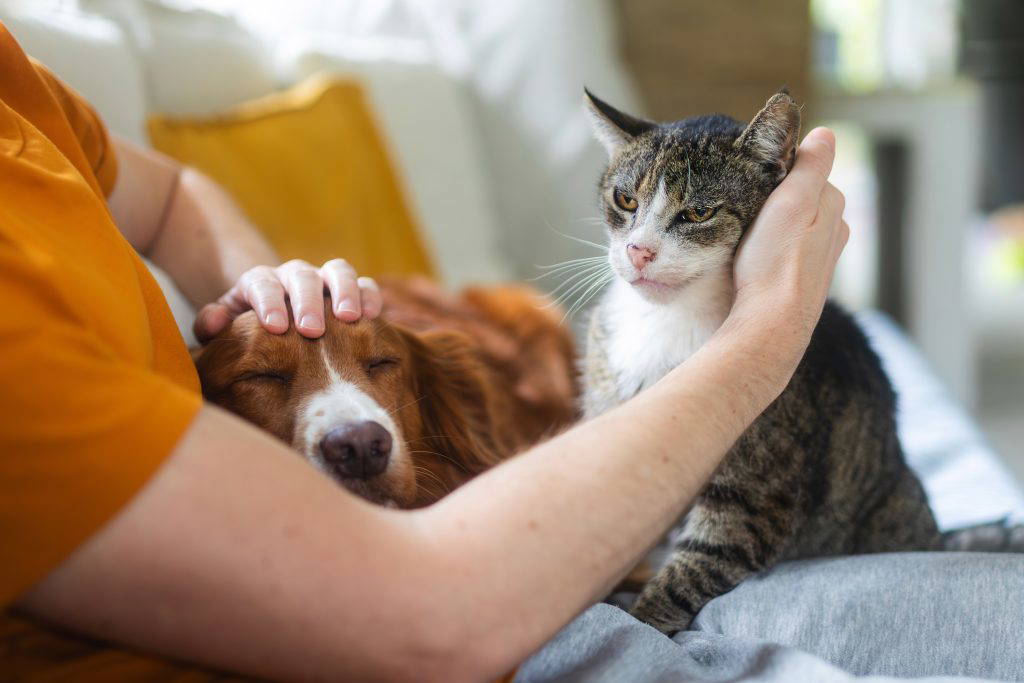
If your dog comes to you for reassurance, gentle stroking, calm conversation or allowing them to sit nearby can help.
If they prefer to hide, respect that choice.
The most useful approach is to respond to what your individual dog finds reassuring.
How to Help Cats Feel Safe During Fireworks
Cats often prefer predictability, familiar surroundings and the freedom to retreat when something frightens them.
For this reason, helping a cat through fireworks usually involves reducing disruption rather than introducing lots of new activities.
Keep Your Cat Indoors Before Dark
If your cat normally spends time outdoors, encourage them inside well before fireworks are expected.
Close cat flaps and check that windows and external doors are secure.
Make sure your cat has access to:
- A clean litter tray
- Fresh drinking water
- Their normal food
- Comfortable sleeping areas
- Familiar hiding places
If your cat is not accustomed to being indoors for extended periods, begin adjusting their routine before fireworks season.
Forcing an outdoor-loving cat to remain inside without adequate resources can create additional stress.
Allow Your Cat to Hide
If your cat retreats under the bed or into a cupboard, avoid pulling them out.
Hiding is a natural coping behaviour for cats.
As long as the location is safe, allow them to remain there until they feel comfortable emerging.
You can sit quietly nearby if your cat usually enjoys your company, but avoid excessive handling.
Cats that become frightened may scratch or bite if they feel trapped.
Consider Pheromone Products Before Fireworks Season
Synthetic feline pheromone diffusers may help some cats feel more secure in their surroundings.
These products are designed to mimic certain natural chemical signals used by cats.
However, they do not work for every animal and should not be relied upon as the only solution for significant fireworks anxiety.
If you plan to try a diffuser, introduce it ahead of Bonfire Night and follow the manufacturer's instructions.
Can Calming Products Help Pets During Fireworks?
Pet shops offer a wide range of calming products, including pheromone diffusers, supplements, anxiety wraps and calming sprays.
Some pets appear to benefit from particular products, but the evidence supporting them varies.
A calming product that helps one dog may have little effect on another.
Before purchasing anything, consider whether your pet is mildly unsettled or experiencing severe fear.
For mild anxiety, environmental adjustments and appropriate calming aids may be useful.
For severe anxiety, relying on over-the-counter products alone may delay more effective treatment.
Never give your pet human sleeping tablets, sedatives or other medicines unless specifically prescribed by a vet.
When Does Fireworks Anxiety Need Veterinary Help?
Occasional nervousness during fireworks is common, but persistent or intense fear deserves veterinary attention.
We recommend speaking to a vet if your pet:
- Experiences severe shaking or prolonged panic
- Attempts to escape or injures themselves
- Cannot settle for several hours
- Refuses food or water for an unusual length of time
- Shows increasingly severe reactions each year
- Remains anxious after fireworks have stopped
- Develops new noise sensitivity, particularly later in life
A sudden change in how your pet responds to noise may sometimes be associated with an underlying medical problem, including pain.
A veterinary assessment can help identify whether there are additional factors contributing to their distress.
Can Vets Prescribe Medication for Fireworks Anxiety?
Yes. For dogs or cats experiencing significant noise-related anxiety, a vet may recommend prescription medication as part of a wider management plan.
The appropriate treatment depends on your pet’s health, age, medical history and the severity of their symptoms.
Some medicines are intended to be given before an expected fireworks event, while others may be part of a longer-term approach.
Medication should aim to reduce fear and distress, rather than simply make an animal appear quiet.
Ideally, arrange a consultation well before fireworks season so there is time to discuss suitable options and, where appropriate, assess how your pet responds.
At Vista Vets, we can discuss your pet’s fireworks anxiety and help you understand the next steps for managing their individual needs.
Common Fireworks Mistakes That Can Make Anxiety Worse
Even with good intentions, some responses can increase a pet’s distress.
Forcing Pets to Face Their Fear
Taking a frightened dog outside to experience fireworks or repeatedly exposing them to loud recordings can make their anxiety worse.
Gradual, positive training is different from overwhelming an animal with something they fear.
Punishing Fear-Related Behaviour
A dog barking repeatedly or a cat toileting outside their litter tray may be responding to genuine distress.
Scolding them is unlikely to help and may increase their anxiety.
Leaving a Frightened Pet Alone
Where possible, arrange for someone familiar to remain at home during expected fireworks displays.
This is particularly important for animals with a history of severe anxiety or escape attempts.
Waiting Until Bonfire Night to Seek Help
If your pet struggled last year, do not assume they will cope better this time.
Early veterinary advice provides more opportunities to explore behavioural strategies and appropriate treatment.
Frequently Asked Questions
What Can I Give My Dog to Calm Them During Fireworks?
Some dogs benefit from pheromone products, calming aids or veterinary-prescribed medication. The most appropriate option depends on the severity of their anxiety and their individual health needs. Speak to your vet before giving medication or supplements, particularly if your dog has an existing medical condition.
Should I Ignore My Dog When They Are Scared of Fireworks?
No. If your dog seeks comfort, it is fine to reassure them with gentle attention. If they prefer hiding, allow them to do so. Avoid forcing interaction or punishing fear-related behaviour.
How Long Does Fireworks Anxiety Last in Cats?
Some cats return to normal shortly after fireworks finish, while others remain unsettled for several hours or longer. If your cat continues hiding, refuses food, has difficulty urinating or shows other concerning symptoms, seek veterinary advice. Difficulty passing urine can be an emergency.
Can Dogs Develop a Fear of Fireworks as They Get Older?
Yes. Dogs can develop noise sensitivity at any age, including those that previously tolerated fireworks. Changes in hearing, underlying pain and previous frightening experiences may contribute. New or worsening anxiety should be discussed with a vet.
Is It Safe to Leave My Cat Outside on Bonfire Night?
It is safer to keep cats indoors before fireworks begin. Loud noises may cause them to panic, run into unfamiliar areas or become injured. Provide access to food, water, litter trays and safe hiding places until celebrations have finished.
Helping Your Pet Through Bonfire Night and Beyond
Fireworks anxiety is not something pets can simply be expected to grow out of. For some dogs and cats, fear can become more intense with repeated exposure.
The most helpful approach combines early preparation, a secure environment and an understanding of your pet’s individual behaviour.
If your pet has struggled with fireworks before, use the weeks leading up to Bonfire Night to prepare rather than waiting until the celebrations begin.
For further guidance, Dogs Trust provides practical advice on supporting dogs during fireworks, while the PDSA offers dedicated advice on cats and fireworks.
At Vista Vets in Chelmsford, we understand how upsetting it can be to see your pet frightened by loud noises. If your dog or cat experiences significant fireworks anxiety, our team can assess their needs and discuss suitable ways to help them cope.
You can book an appointment with Vista Vets to discuss your pet’s anxiety before Bonfire Night.