
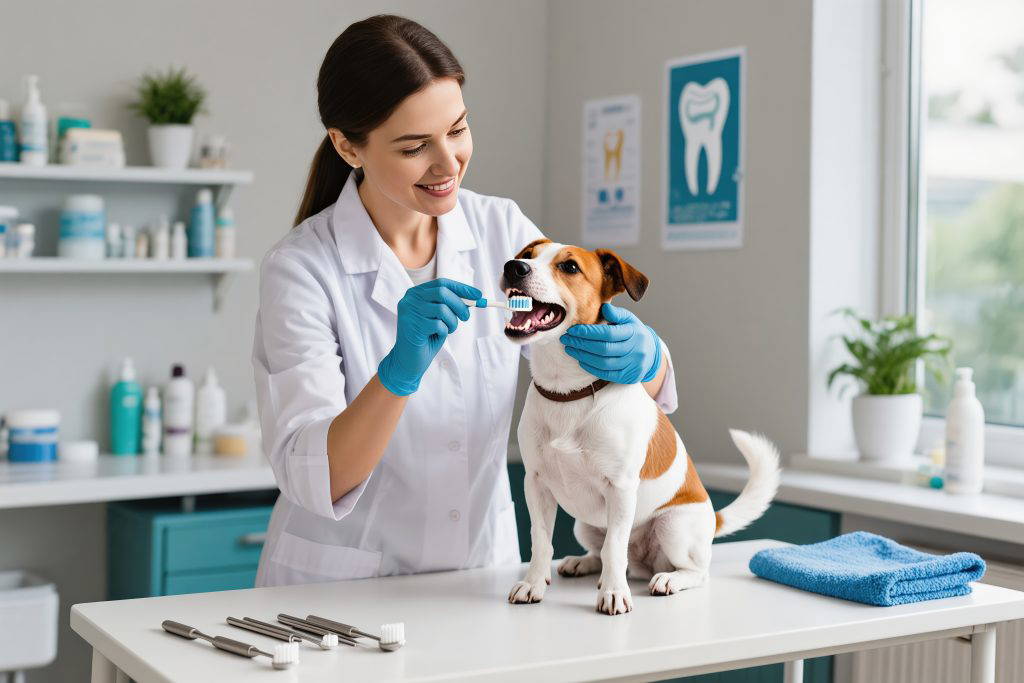
Many pet owners believe that removing visible tartar is all that’s needed to keep their dog or cat’s teeth healthy. While a professional scale and polish certainly has its place, it only tells part of the story.
The reality is that many painful dental conditions develop below the gum line, where they can’t be seen during a routine examination. Without advanced dental radiography and appropriate treatment, these hidden problems can continue to cause discomfort long after a pet’s teeth appear clean.
Understanding what’s happening beneath the surface helps explain why modern veterinary dentistry is about much more than simply cleaning teeth.
The Short Answer: Why Isn’t A Dental Clean Enough?
A scale and polish removes plaque and tartar from the visible surfaces of the teeth, helping improve oral hygiene.
However, it cannot detect:
- Tooth root abscesses.
- Bone loss around teeth.
- Fractured tooth roots.
- Tooth resorption in cats.
- Infection beneath the gum line.
- Damage hidden below the surface.
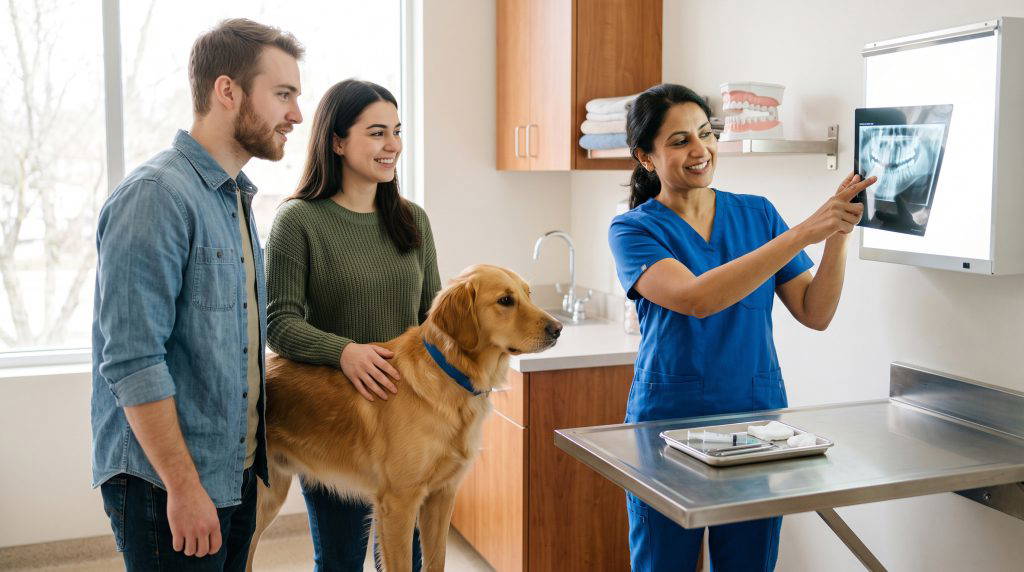
Dental X-rays allow vets to assess the structures that can’t be seen with the naked eye, ensuring painful conditions aren’t missed.
Dental Disease Often Starts Where You Can’t See It
One of the biggest misconceptions about pet dental health is that if the teeth look clean, they must be healthy.
Unfortunately, that’s not always the case.
Much of a tooth sits below the gum line, supported by bone, ligaments and surrounding tissues. Disease affecting these structures may develop gradually without obvious signs until it becomes advanced.
Many pets continue eating normally despite significant dental pain, making it easy for owners to miss problems.
Some common hidden conditions include:
- Infected tooth roots.
- Advanced periodontal disease.
- Tooth root fractures.
- Bone infection.
- Tooth resorption, particularly in cats.
Without diagnostic imaging, these conditions can remain undetected.
Why Dental X-Rays Are Such An Important Part Of Veterinary Dentistry
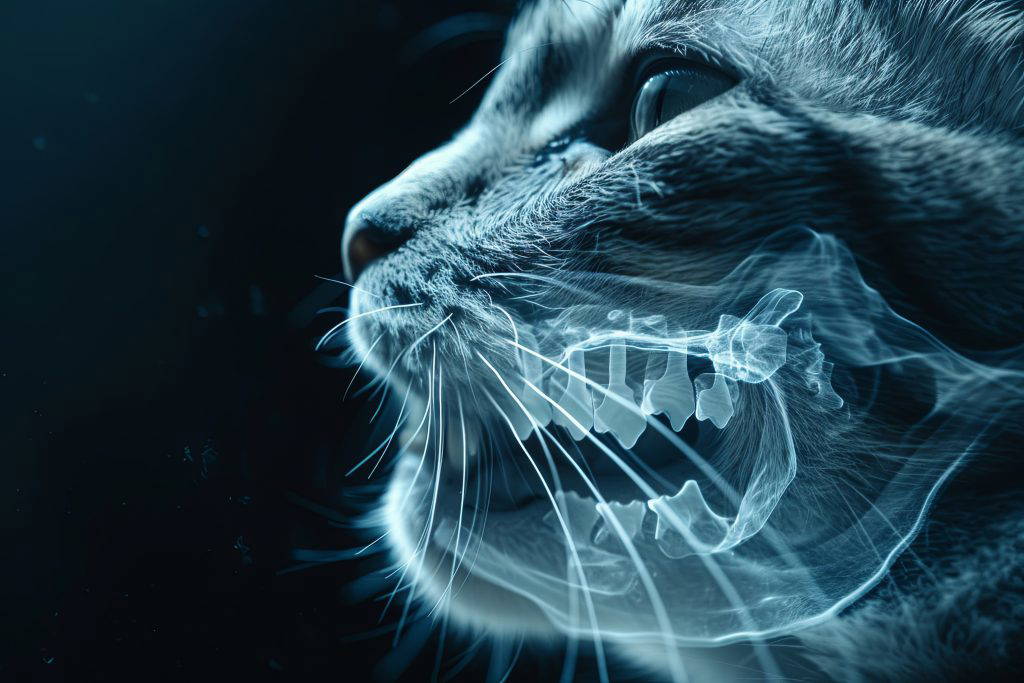
Dental radiography allows vets to examine the parts of each tooth that simply can’t be assessed during a visual examination.
Using specialised dental X-ray equipment, images are taken beneath the gum line to evaluate the health of:
- Tooth roots.
- Jaw bone.
- Periodontal ligaments.
- Surrounding bone structures.
This information helps identify problems that may otherwise remain hidden for months or even years.
Dental radiographs commonly reveal:
- Root abscesses.
- Loose teeth.
- Retained roots.
- Bone loss.
- Fractures.
- Internal tooth damage.
These findings often explain symptoms such as bad breath, difficulty chewing or reluctance to play with toys that owners may not have linked to dental disease.
Chronic Dental Pain Is Often Silent
Unlike people, dogs and cats rarely show obvious signs of a toothache.
Instead, they often adapt remarkably well.
Signs of hidden dental pain may include:
- Bad breath.
- Dropping food while eating.
- Chewing on one side.
- Reduced interest in hard treats.
- Pawing at the mouth.
- Irritability.
- Reluctance to play with toys.
Some pets show no outward signs at all until dental disease has become severe.
This is one of the reasons veterinary dental examinations are so important, even when everything appears normal at home.
When Is Oral Surgery Needed?
Not every dental procedure ends with a simple cleaning.
If dental radiographs reveal significant disease, oral surgery may be the most appropriate treatment to remove the source of pain and prevent further complications.
This may involve extracting teeth that are:
- Severely infected.
- Loose due to advanced periodontal disease.
- Fractured beyond repair.
- Affected by tooth resorption.
- Causing chronic pain.
Although the idea of tooth extraction can sound worrying, removing a painful tooth often provides significant relief and allows pets to return to eating comfortably.
Modern Anaesthesia Makes Advanced Dental Care Safer
A common concern for owners is whether their pet will need a general anaesthetic.
Professional veterinary dentistry requires anaesthesia because it allows the veterinary team to:
- Perform a complete oral examination safely.
- Take detailed dental X-rays.
- Thoroughly clean beneath the gum line.
- Carry out precise oral surgery where necessary.
- Protect the airway throughout the procedure.
Modern anaesthetic protocols are carefully tailored to each patient, taking factors such as age, breed, weight and overall health into account.
Throughout the procedure, patients are closely monitored by trained veterinary professionals using advanced monitoring equipment to help maintain the highest standards of safety.
Why Professional Veterinary Dentistry Differs From Cosmetic Teeth Cleaning
Some cosmetic teeth cleaning services focus solely on removing visible staining from the outside of the teeth.
While this may improve appearance, it does not diagnose or treat dental disease beneath the gum line.
Professional veterinary dental procedures allow your vet to:
- Assess the whole mouth.
- Investigate hidden disease with dental radiography.
- Clean beneath the gum line.
- Treat infection.
- Perform surgical extractions where required.
- Provide appropriate pain relief.
The goal isn’t simply cleaner-looking teeth. It’s restoring your pet’s comfort and protecting their long-term oral health.
Preventing Dental Problems Before They Become Serious
Regular dental examinations help identify problems before they become more advanced.
Alongside professional treatment where needed, good dental care at home may include:
- Tooth brushing where appropriate.
- Veterinary-approved dental diets.
- Dental products or supplements.
- Routine oral health checks.
Early intervention often means less extensive treatment and a quicker recovery for your pet.
Making Advanced Dental Care More Accessible
Dental treatment is an important investment in your pet’s long-term health.
For members of Vista Pet Club, routine and advanced dental care becomes more affordable, with 10% off all dental procedures as one of the membership benefits.
As Vista Pet Club is a preventative healthcare plan, it also supports your pet’s ongoing wellbeing with a range of preventative treatments and additional member benefits throughout the year.
Frequently Asked Questions
Why are dental X-rays necessary if my pet's teeth look healthy?
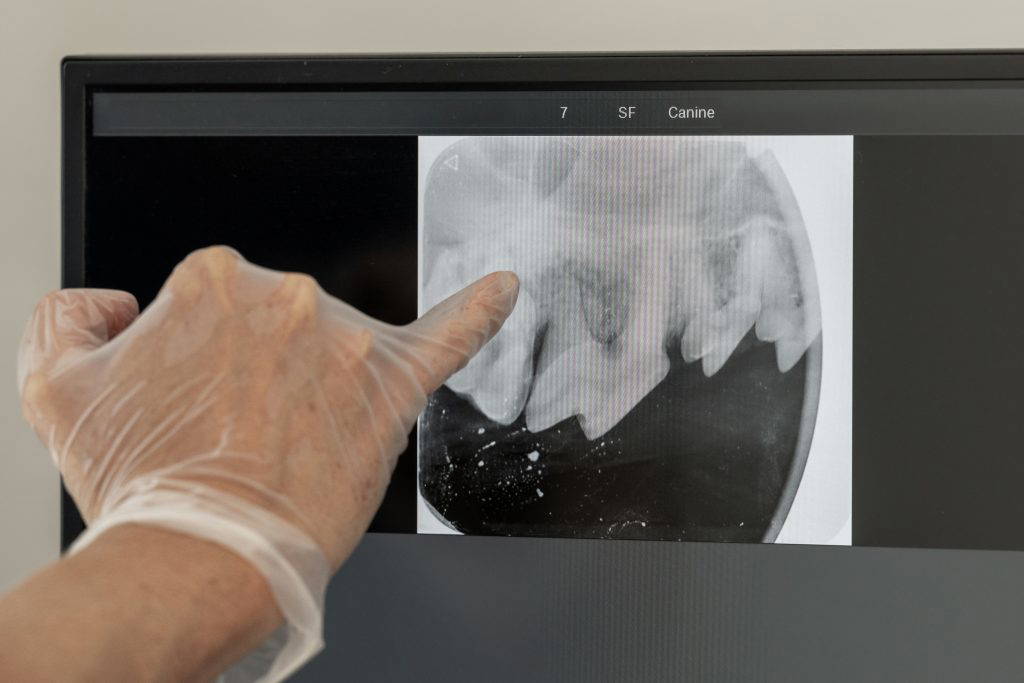
Many dental conditions affect the roots and surrounding bone beneath the gum line. Dental radiographs allow your vet to identify hidden disease that cannot be seen during a visual examination.
Will my pet need a general anaesthetic for dental treatment?
Yes. General anaesthesia allows a full oral examination, dental X-rays, professional cleaning beneath the gum line and any necessary oral surgery to be carried out safely and comfortably.
How do I know if my pet needs a tooth extraction?
This depends on the findings during the examination and dental X-rays. Teeth affected by severe infection, fractures, advanced periodontal disease or tooth resorption may need to be removed to relieve pain.
Are pets usually in pain after dental surgery?
Your veterinary team will provide appropriate pain relief before, during and after the procedure, along with advice to support a comfortable recovery at home.
Is bad breath always caused by dirty teeth?
Not necessarily. Persistent bad breath can be a sign of dental disease beneath the gum line, which is why a veterinary dental examination is recommended if it doesn’t improve.
Looking Beyond A Clean Smile
Healthy teeth are about far more than appearance. By using dental radiography to investigate what lies beneath the gum line, veterinary teams can identify painful conditions that might otherwise go unnoticed and provide treatment before they affect your pet’s quality of life.
If you’ve noticed bad breath, difficulty eating or you’re simply due for a dental check, the team at Vista Vets can assess your pet’s oral health and advise whether further investigation or treatment is needed.
To book a dental assessment or learn more about Vista Pet Club and its dental benefits.