
Cats are often described as independent and resilient, but this can make it difficult to recognise when something is wrong. Unlike dogs, cats rarely show obvious signs of discomfort. Instead, they quietly adapt their behaviour, which means pain can go unnoticed for weeks or even months.
For cat owners in Chelmsford and across Essex, understanding the subtle signs of cat pain is essential. Conditions such as dental disease and arthritis are common, particularly in older cats, yet they are frequently missed in the early stages.
This guide explains what to look for, why cats hide discomfort so effectively, and when it is time to seek veterinary advice.
What Are the Early Signs of Pain in Cats?
Pain in cats rarely presents in obvious ways. Instead, it tends to appear as small behavioural or physical changes.
Behavioural Changes
- Becoming more withdrawn or hiding more often
- Avoiding interaction or resisting handling
- Changes in temperament, including irritability
- Sleeping more or choosing unusual resting places
Physical Changes
- Reduced grooming or a dull, unkempt coat
- Limping or stiffness, particularly after rest
- Hesitation when jumping or climbing
- Changes in appetite or weight
These signs are easy to dismiss, but they are often the first indication that your cat may be in discomfort.
Why Do Cats Hide Pain?
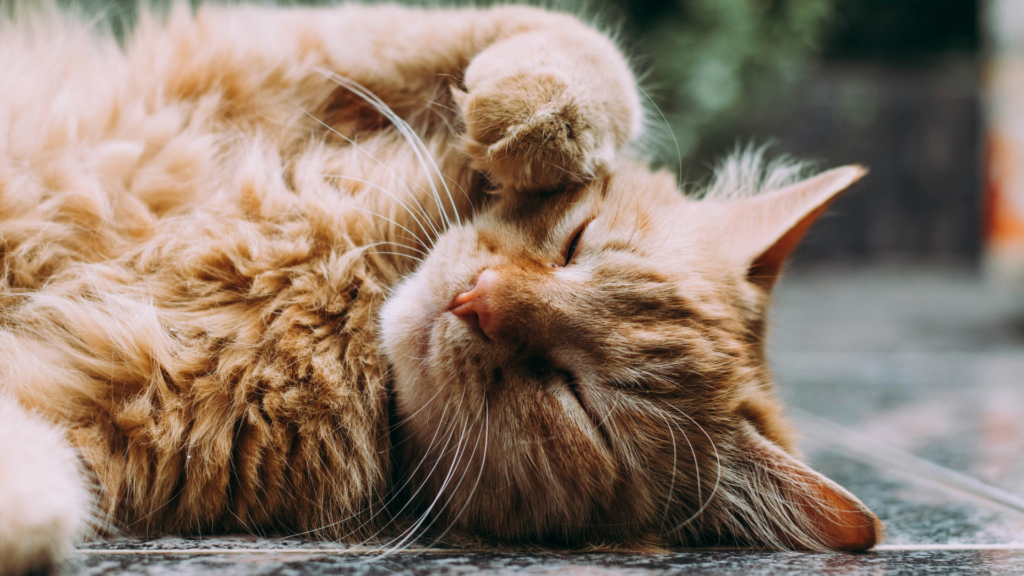
Cats instinctively conceal weakness. In the wild, showing signs of injury or illness would make them vulnerable, so they have evolved to mask discomfort.
This behaviour means that:
- Pain is often advanced before it is noticed
- Symptoms can be mistaken for ageing
- Regular veterinary checks are important for early detection
Research from the Royal Veterinary College highlights that chronic conditions such as arthritis are frequently underdiagnosed in cats for this reason.
Could Dental Disease Be Causing Your Cat Pain?
Dental disease is one of the most common yet overlooked causes of pain in cats.
Signs of Dental Pain
- Eating more slowly or dropping food
- Preferring soft food over dry
- Bad breath
- Reduced appetite
Cats often continue eating despite discomfort, which makes dental issues difficult to detect without a clinical examination.
Why Dental Health Should Not Be Overlooked
Untreated dental problems can lead to:
- Persistent pain
- Infection affecting other areas of the body
- Tooth loss and long term health complications
Preventative care plays a key role. The Vista Pet Healthcare Club includes routine health checks and dental-related benefits, helping to identify problems earlier.

Is Your Cat Slowing Down or Experiencing Arthritis?
Arthritis is extremely common in senior cats, but the signs are often subtle.
Signs of Arthritis in Cats
- Reluctance to jump onto furniture
- Using lower surfaces instead of higher ones
- Stiffness after resting
- Reduced grooming, particularly around the back and hips
- Spending more time indoors
These changes are often mistaken for normal ageing. In reality, arthritis is a painful condition that can be managed effectively with early diagnosis.
When Should You Speak to a Vet?
If you notice ongoing changes in your cat’s behaviour or routine, it is always worth seeking advice.
You should consider a veterinary appointment if your cat shows:
- Persistent changes in appetite or weight
- Difficulty moving or jumping
- Changes in grooming habits
- Noticeable behavioural shifts
Early assessment allows for faster diagnosis and more effective treatment.
You can arrange an appointment here:
The Importance of Preventative Care for Cats
Regular health checks are one of the most effective ways to detect hidden conditions.
Preventative care helps to:
- Identify dental disease early
- Monitor joint health in ageing cats
- Provide consistent parasite protection
- Track changes over time
The Vista Pet Healthcare Club is designed to support ongoing health, with routine treatments and additional benefits for members.
If your pet is not yet registered, you can do so here:
How Do Vets Diagnose Pain in Cats?
Diagnosing pain in cats requires a combination of clinical expertise and careful observation.
This may include:
- A full physical examination
- Assessment of movement and behaviour
- Diagnostic imaging such as X-rays
At Vista Vets, access to in-house diagnostics allows for quicker answers and a more streamlined experience.
Learn more about the practice here:
Treatment Options for Cats in Pain
Treatment will depend on the underlying cause, but early intervention can make a significant difference.
Dental Treatment
- Professional cleaning
- Tooth extraction where required
- Pain management
Arthritis Management
- Anti-inflammatory medication
- Joint support supplements
- Adjustments to the home environment
Supporting Your Cat at Home
- Provide soft, accessible bedding
- Ensure food and litter trays are easy to reach
- Minimise the need for jumping
Guidance from International Cat Care shows that early management can greatly improve quality of life in cats with chronic conditions.
Monitoring Your Cat’s Health at Home
Small daily observations can make a significant difference.
What to Watch For
- Changes in eating habits
- Alterations in movement or posture
- Grooming consistency
- Behavioural changes
Keeping track of these patterns can help identify problems earlier and provide useful information during veterinary visits.
Local Veterinary Care in Chelmsford
Having access to a trusted local vet ensures continuity of care and quicker access to appointments.
Vista Vets provides:
- Longer consultation times
- Consistent care from an experienced team
- In-house diagnostics for faster results
If you have concerns about your cat, you can contact the team here:
Concerned Your Cat May Be in Pain?
Cats rarely show clear signs of discomfort, which means even small behavioural changes can be significant. If your cat is grooming less, avoiding movement, or acting differently, it is worth having them checked.
Conditions such as dental disease and arthritis are far easier to manage when identified early. A professional assessment can provide reassurance or allow treatment to begin before the problem progresses.
If you have noticed any changes in your cat’s behaviour or routine, you can arrange an appointment with the team here: